
Travel and leisure
Against a backdrop of political and economic hardship, travel and leisure is becoming more cherished than ever – the light to consumers’ harsh realities. We work across international travel, day-out leisure, and essential travel brands to help businesses tap into this highly emotional space.
The fight for attention
As non-essentials, these moments have to be saved for, and every penny counts. The competition for spend has also never been fiercer – not just from rival brands, but from different categories. It’s not one cinema vs. another – it’s cinema vs. Netflix, a holiday vs. a new kitchen, a theme park vs. a picnic in the local park. Travel and leisure brands face a competitive challenge most categories don’t, as their rivals can come from almost anywhere, all chasing the same discretionary budget.
There’s no margin for error either – when something goes wrong here, the impact is felt deeply. Emotionally, because these experiences are what keep consumers hopeful. And financially, because a year’s worth of savings can vanish in an instant. That makes people cautious, and the stakes for brands high.

Immersion
Getting to the truth of that means understanding the full shape of the decision – not just what people chose, but what they were quietly weighing it against. To do this, we get close to people’s real lives, not just their answers – we’re physically there in the moment, on the trip, at the destination, experiencing it alongside them, or as a fly on the wall through consumer journalism and diaries. It’s that kind of immersion that allows us to surface what people actually feel, and how they really talk about these experiences, in a way that more removed research rarely can.
That closeness also changes the questions we’re able to ask. That understanding is what allows us to identify where the real opportunities lie – not the obvious ones, but the marginal gains; the small trade-offs that tip a decision one way or another, and which combination of features, price points, or promises actually moves people.
Our experience
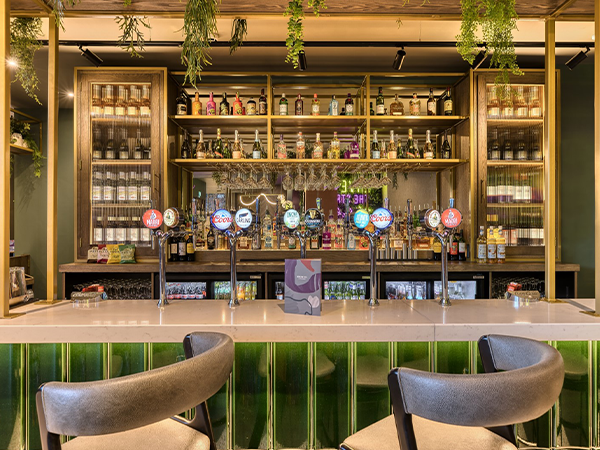
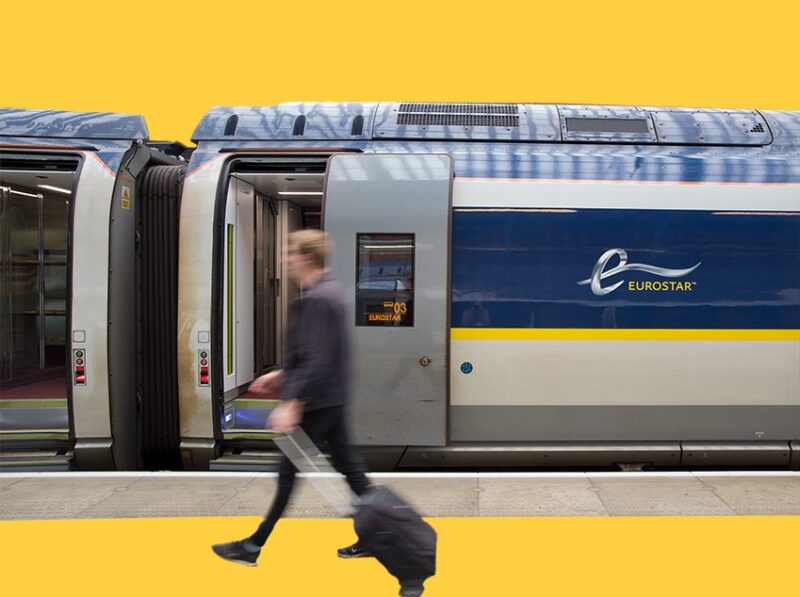
We partner with travel brands across the globe, from holidays to staycations, and day-to-day leisure brands. Here’s just a few examples of our work.




FAQs
How does the travel and leisure industry differ from other sectors?
Unlike most categories, travel and leisure brands face competition from almost anywhere. It’s not just one cinema competing with another – it’s cinema vs. Netflix, a holiday vs. a new kitchen, a theme park vs. a free picnic in the park. Because these are discretionary purchases, the entire category has to justify itself against whatever else people might spend their spare money on. That makes the competitive challenge uniquely broad and difficult to define.
How do you research the full travel decision journey?
We research the entire path to purchase, starting with research on consumers’ initial ideas, browsing options, and price comparison. We then map the in-the-moment journey and experience while travelling, to understand how to optimise on the day.
How do you understand how consumers really make decisions in this space?
Rather than relying on surveys or interviews alone, the approach involves getting close to people’s real lives – being present on trips, at destinations, and in everyday moments. Through immersive methods like consumer journalism and diaries, it’s possible to capture what people genuinely feel and how they actually talk about experiences, rather than what they say when asked directly.
What kinds of insights does this research uncover?
It goes beyond the obvious choices to reveal the quieter trade-offs – the small factors that tip a decision one way or another. This includes understanding not just what someone chose, but what they were silently weighing it against, and which combinations of features, price points, or messaging actually shift behaviour.
Who is this work relevant for?
Any travel or leisure brand facing pressure on discretionary spend – whether in tourism, hospitality, entertainment, or experiences – and looking to understand the real drivers behind consumer decisions, not just the surface-level ones.